
How to Choose the Right Diagnostic Equipment for Your Laboratory
Selecting the right diagnostic equipment requires consideration of laboratory requirements, workflow, reliability, technical support and long-term operational needs.
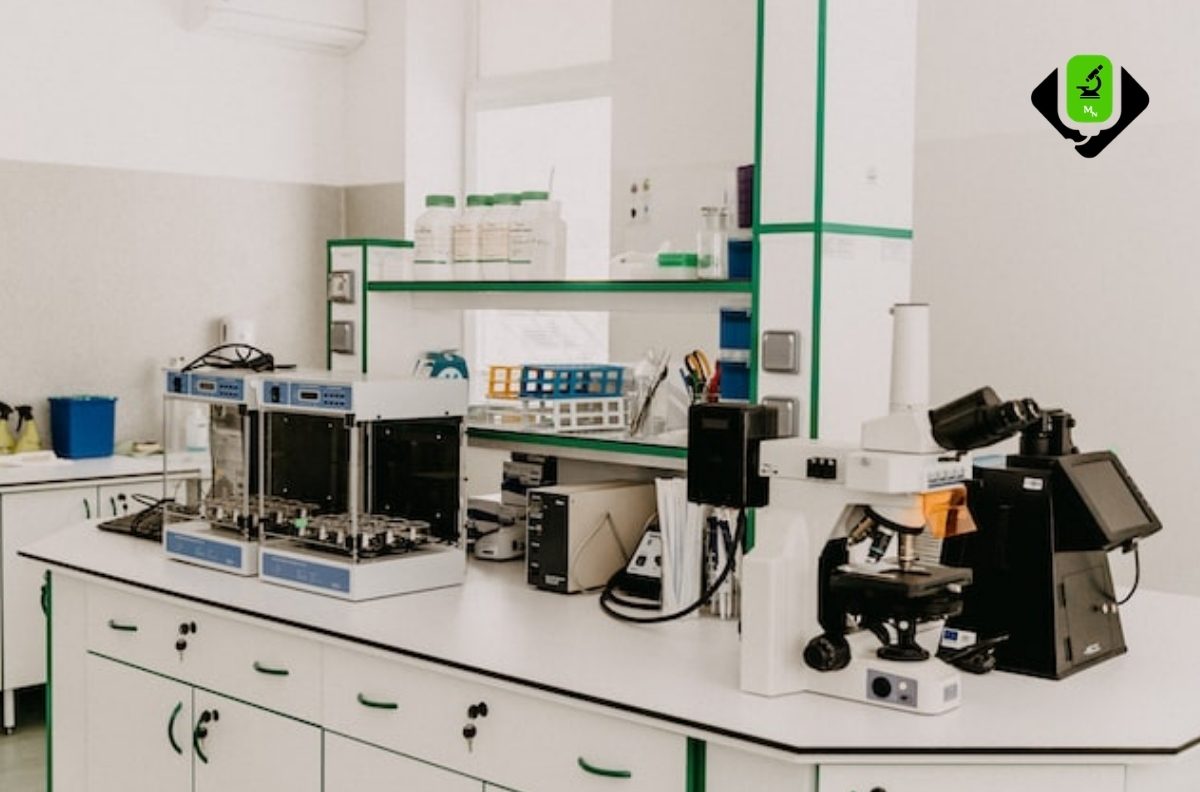
How to Choose the Right Diagnostic Equipment for Your Laboratory
Choosing laboratory equipment is an important decision for any healthcare facility. The right equipment should not only meet current requirements but also fit into the laboratory's workflow and operational environment.
With many options available, it can be difficult to determine what is appropriate for a particular laboratory. A structured approach can make the decision easier.
1. Understand Your Laboratory Requirements
Before selecting equipment, start by understanding what the laboratory actually needs.
Consider factors such as:
- Type of laboratory
- Daily workload
- Tests and procedures performed
- Available space
- Existing equipment
- Future requirements
Understanding these requirements helps avoid selecting equipment that does not match the laboratory's actual needs.
2. Consider Workflow
Equipment should fit naturally into the existing workflow.
Think about where the equipment will be placed, how laboratory staff will use it and whether it integrates comfortably into daily operations.
A well-planned setup can help laboratories use available space and resources more effectively.
3. Evaluate Reliability
Reliability is an important consideration for laboratory equipment.
Equipment that is used regularly should be selected with attention to build quality, operating requirements and the level of support available.
4. Consider Technical Support
Purchasing equipment is only one part of the process. Ongoing technical support can also be important.
Before making a decision, laboratories should understand what type of installation, maintenance and technical assistance is available.
Having access to professional support can make equipment management easier over time.
5. Think About Long-Term Requirements
The best equipment decision is not necessarily based only on the initial purchase.
Consider the total operational requirements, maintenance needs, servicing and future laboratory needs before making a final decision.
Conclusion
Selecting diagnostic equipment should be based on the laboratory's actual requirements, workflow and long-term operational plans.
A reliable equipment solution combined with appropriate technical support can help laboratories create a more dependable working environment.
Medinostic India works with laboratories, hospitals and clinics to provide diagnostic solutions and professional technical support according to their requirements.
Recently Added Blogs

Why Regular Laboratory Equipment Maintenance Matters
Regular maintenance of laboratory equipment can help support reliable operations, reduce unexpected interruptions and keep diagnostic workflows running smoothly.
Read Article →
Preventive Maintenance: A Smarter Approach to Laboratory Equipment
Preventive maintenance helps laboratories identify potential equipment issues early and develop a more organized approach to equipment servicing and management.
Read Article →